Amazonian Mushroom History and Scientific Origins
Understanding the Amazonian Mushroom Name Origins
The Amazonian mushroom refers to a specific type of mushroom native to the Amazon rainforest, historically noted in scientific literature as early as the 1900s. The name "Amazonian mushroom" has been used in various papers, but tracing its exact taxonomic lineage requires following a complex paper trail involving multiple scientific descriptions and reclassifications. This mushroom is not just a biological entity but also culturally significant to indigenous peoples in the Amazon region.
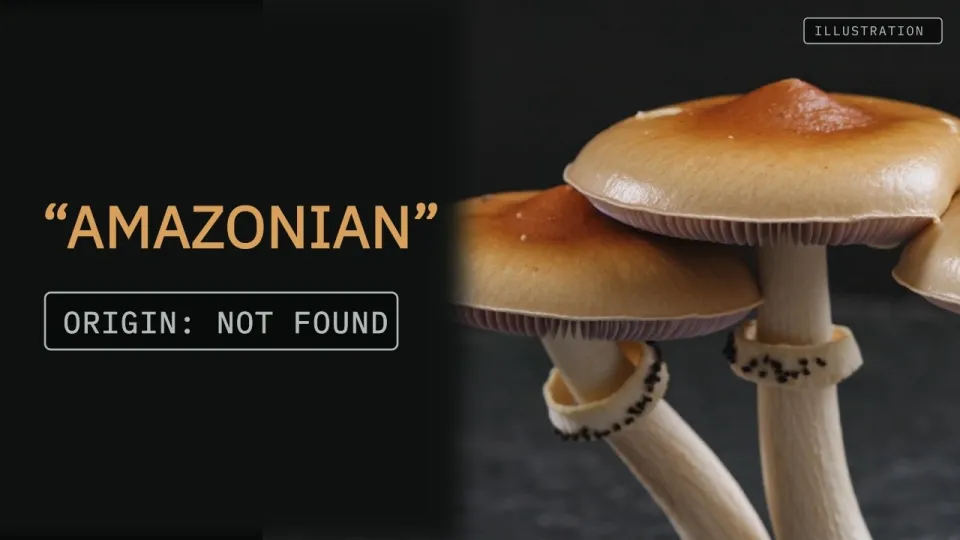
Video: Amazonian Mushroom: Following the Paper Trail Behind the Name
Early Scientific Descriptions and Taxonomy
The earliest known scientific documentation of mushrooms from the Amazon region dates back to the early 20th century. Researchers initially categorized these fungi under broad genera, which later revisions narrowed down. The Amazonian mushroom’s genus and species have been debated, with names changing as mycologists refined classification methods based on morphology and genetics. For example, initial papers often confused it with related species from other tropical regions due to similar appearances and habitats 02:15.
Cultural Significance of Amazonian Mushrooms
Indigenous communities in the Amazon have long utilized mushrooms for various purposes, ranging from dietary uses to spiritual rituals. The Amazonian mushroom holds a special place in traditional knowledge, with ethnomycological studies highlighting its role in ceremonies and medicine. These cultural aspects often inspired early naturalists to investigate and document the mushroom, which contributed to its scientific recognition 05:40.
Challenges in Scientific Classification
One of the main challenges in studying the Amazonian mushroom is the inconsistent use of names in the literature. Some papers refer to it by common names, while others use Latin binomials that have since been revised or synonymized. This inconsistency complicates efforts to consolidate research findings and understand the mushroom's ecology and biology fully. Modern mycology increasingly employs DNA sequencing to resolve these taxonomic ambiguities 07:55.
Recent Advances and Clarifications
Recent studies have used molecular phylogenetics to clarify the position of the Amazonian mushroom within fungal taxonomy. These investigations help distinguish it from morphologically similar species and confirm its unique genetic identity. Such advances aid in conservation efforts and deepen understanding of Amazonian fungal biodiversity. The ongoing research also highlights the importance of integrating traditional knowledge with scientific approaches 10:30.
Summary of the Paper Trail
Tracing the Amazonian mushroom's scientific name involves reviewing early botanical and mycological papers, ethnographic reports, and recent genetic analyses. This paper trail shows a progression from initial discovery and description through taxonomic confusion to modern resolution. It reflects broader trends in fungal taxonomy and exemplifies the challenges of studying biodiversity in complex ecosystems like the Amazon rainforest.
Conclusion
The Amazonian mushroom is a fascinating subject bridging science and culture, with a rich history documented across scientific papers and indigenous knowledge. Its taxonomic journey illustrates the evolving nature of mycological classification and the value of interdisciplinary research. The channel Shroomverse provides an insightful exploration of this topic, offering viewers a detailed look at how the Amazonian mushroom’s name and identity have developed over time 13:00.
Key takeaways
- Amazonian mushroom first described in early 20th century scientific papers
- Taxonomic confusion exists regarding its genus and species
- It is culturally significant in indigenous Amazonian communities
- Scientific literature traces its name and classification changes over decades
- Recent studies clarify its botanical and mycological identity
Questions & answers
What is the Amazonian mushroom?
The Amazonian mushroom is a species of mushroom native to the Amazon rainforest, known for its biological uniqueness and cultural importance in indigenous communities.
Why is the classification of the Amazonian mushroom complicated?
Its classification is complicated due to inconsistent naming in scientific literature, morphological similarities with other species, and evolving taxonomic methods that have led to multiple reclassifications.
How have modern techniques helped in understanding the Amazonian mushroom?
Modern DNA sequencing and molecular phylogenetics have helped clarify its genetic identity and distinguish it from similar species, resolving earlier taxonomic confusions.
What cultural roles do Amazonian mushrooms play?
In indigenous Amazonian cultures, these mushrooms are used in rituals, traditional medicine, and as a food source, reflecting deep ethnomycological significance.
Source: Amazonian Mushroom: Following the Paper Trail Behind the Name · Markdown version